 Bedding
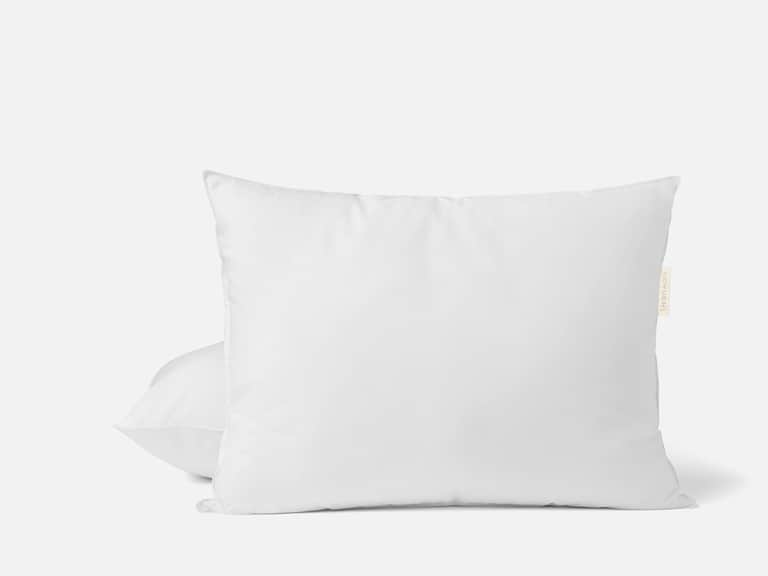
Down Pillow
Experience breathable loft and gentle support with double-washed down encased in pure organic cotton—light, fluffy, and machine washable for effortless care, proudly made in the USA.
Bedding encompasses essential materials and designs that influence sleep quality, comfort, and temperature management across different environments. Understanding pillow construction, fill types such as down, wool, or organic latex, and cover fabrics helps clarify how support, alignment, and softness interact with sleep posture. This category emphasizes evidence-based considerations for choosing bedding that fits personal preferences and health considerations.
Travel pillows and home sleeping pillows often balance support with compactness, using shapes and fills that stabilize the neck and head during rest. Key features include cervical support, adjustable loft, and hypoallergenic materials. By comparing pillow profiles, users can match support to their preferred sleep position, whether back, side, or stomach sleeping, for consistent comfort.
Natural and organic options, like Organic Cotton and Latex Travel Pillow, highlight sustainable fabrics and certifications that reduce exposure to synthetic additives. Benefits include breathable covers, durable cores, and the potential for fewer irritants for sensitive sleepers. Such products demonstrate how material choices affect comfort, longevity, and environmental impact.
High-loft down pillows, such as Downright Mackenza White Down Sleeping Pillows, illustrate how feather-down fills provide plush cushioning with excellent resilience. Key considerations are fill power, stitch construction, and loft stability, which influence neck alignment and pressure distribution. Understanding these aspects helps select pillows that maintain shape while delivering soft, supportive sleep.
Specialized designs like the Sleep and Beyond myComforter Light and myDual Side Pillow offer variations in firmness and ergonomic support to accommodate different sleeping styles. Features may include side-sleep optimization, dual-face firmness, and temperature-regulating fabrics. Recognizing these functional benefits aids in aligning bedding choices with individual sleep needs.
Bedding